
Most political campaign speeches sound the same because they repeat safe talking points instead of changing how voters see the race and their own power in it. Learning how to write a political campaign speech that reframes the stakes, proves you can deliver, and drives specific action will set your campaign apart — and pairs naturally with knowing how to write a political press release that moves voters to carry that message into earned media.[1]
Key steps at a glance
- Decide exactly who the speech is for and what you want them to do in the next 30–60 days.
- Choose one core narrative instead of listing every issue.
- Use a simple structure: hook, stakes, vision, proof, call to action.
- Open with a vivid moment, not a generic “honored to be here” line.
- Anchor your argument in real stories, concrete outcomes, and clear proof.
- Close with a specific, time‑bound ask and then repurpose what works across channels.[2][1]
Why most campaign speeches fall flat
The “old way” of writing a speech is candidate‑centered: a bio, a list of issues, and a string of thank‑yous that never add up to a clear “why now.” The “new way” is voter‑centered: one sharp argument about what is broken, who is paying the price, and what must change right now, backed by stories and proof.[1]

How to choose the right audience and moment
The old way treats every stump speech as interchangeable, no matter who is in the room. The new way starts by asking: who exactly is this for—primary voters, swing voters, donors, or volunteers—and what decision do you need them to make in the next 30–60 days?[1]
Context reshapes your emphasis: a town hall for undecided voters might focus on lived impact and trust, while a volunteer kickoff leans into urgency and concrete roles. For each version of your speech, write a one‑line “job description” at the top, such as “Move undecided parents in this district to see school board races as urgent and winnable.”[1]
Case study: First‑time city council candidate A first‑time city council candidate in a midsize West Coast city built two versions of the same core campaign speech. For renters’ associations, the opening centered on rent spikes and displacement; for business breakfasts, it focused on commute times and downtown traffic. The old way would have used one generic script; the new way tailored the same core narrative—“this race decides who can afford to stay in our city”—to each audience’s pain points.[2]
How to pick one clear narrative instead of five
The old way tries to mention every issue your campaign touches, leaving listeners with a jumble of disconnected promises. The new way organizes everything under one narrative about who has power, who doesn’t, and what your campaign is going to change.[1]
Use this simple pattern:
- Here’s what everyone assumes about this office or issue.
- Here’s why that assumption is failing people like you.
- Here’s the better way this campaign is fighting for.
Case study: County prosecutor race In a Midwestern prosecutor’s race, the challenger rejected the usual “tough vs. soft on crime” frame and instead argued that the current system was “tough on low‑level offenders but careless with violent repeat abusers.” Instead of cycling through every criminal justice issue, the speech hammered one new way: “Real safety comes from focusing on serious harm, not ruining lives over minor mistakes,” and every story, data point, and promise tied back to that line.[1]

A simple structure for a strong political campaign speech
The old way is to write until you run out of time or words; the new way uses a repeatable structure that keeps you focused. One practical structure for how to make a political speech:[2]
- Hook: A sharp image, story, or tension that shows the status quo is not working.
- Stakes: Who is getting hurt if nothing changes, with specific local details.
- Vision: A concrete picture of what changes if you win.
- Proof: 2–3 receipts that show you can deliver (experience, coalition, track record).
- Call to action: Exactly what the audience should do this week.
This structure makes your speech easier to adapt and easier to repurpose for your website, social content, and email.[2]
How to open a political campaign speech with a reframing moment
Generic openings (“I’m honored to be here…”) tell people they can half‑listen; they have heard this speech before. Instead, open with a moment that instantly signals a new way of looking at the race—often by contrasting “what you were promised” with “what you’re living.”[2]
Examples of reframing openings:
- “Last month, a parent in this district spent three hours refreshing a bus‑tracker app just to find out the route was canceled—again.”
- “In this town, you are more likely to see your landlord raise your rent than your representative return your call.”
Research on political persuasion shows that concrete, story‑based openings increase recall more than abstract value statements, especially among low‑information voters.[3]
Using stories to make the stakes unavoidable
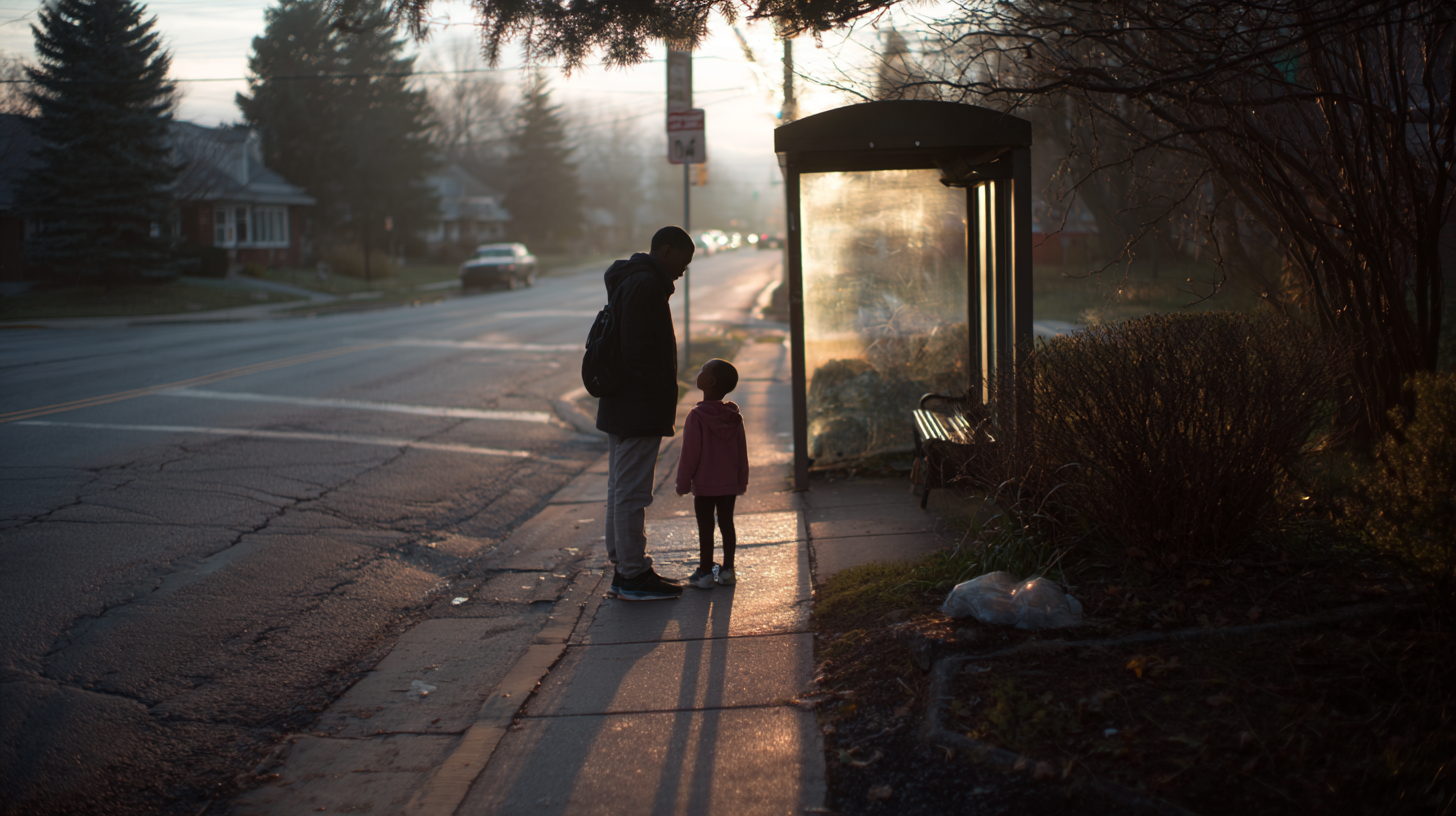
The old way floods people with statistics and bullet points; the new way anchors the stakes in a few well‑chosen stories. A simple story pattern: real person, specific moment, clear problem, what changed (or didn’t), and what it reveals about the system.[3]
Ethically, focus on consent and dignity, and show your subject as a protagonist, not just a victim. Each story should clearly connect back to your core narrative so it feels like proof, not a detour.[4]
Case study: School board candidate and special education services A school board candidate in the Pacific Northwest centered her stump speech on one family whose child lost hours of special education support after staffing cuts. She described a specific morning—missed therapies, a frustrated teacher, and parents juggling work—then tied it directly to board budget votes, closing with a commitment to restore staffing and publish transparent service metrics. The old way would have rattled off line‑item cuts; the new way turned one family’s story into a symbol of who gets left behind.
Making your “new way” concrete and visual
Vague promises like “fight for working families” wash over listeners; they have heard them too often. The new way is to paint specific changes people will see in their daily lives—commute times, rent increases, clinic hours, or how often they see you in their neighborhood.[3]
Tactics that help:
- Describe “day one”: what you will do in your first weeks in office.
- Paint “one year from now”: one detailed scene that shows believable progress.
- Show how supporters are part of this new way: the roles volunteers, neighbors, and local groups will play.
Campaigns that lean into vivid, future‑oriented stories in speeches and ads tend to see higher volunteer conversion and online engagement, especially when the future is tied to concrete, measurable goals.

Proving you can deliver on your promises
Once listeners feel the problem and see the alternative, they need reasons to believe you, not just like you. Instead of listing every job you’ve had, choose 2–3 proof points that directly support your main argument.[1]
Strong proof points include:
- Relevant experience (professional, organizing, or lived) that maps to the office’s actual powers.
- Coalitions or endorsements that demonstrate leverage and legitimacy.
- Measurable wins, such as policy changes, organizing victories, or budget amendments.
Case study: Volunteer‑driven congressional challenger A congressional challenger using a unified volunteer‑management platform increased completed volunteer shifts by an estimated 30–40% after adding leaderboards and activity tracking to the field program. In speeches, the candidate contrasted the old way (“hoping volunteers show up”) with the new way (“treating volunteers as a team with clear goals and visible wins”), then shared those numbers as proof that supporters were already outperforming better‑funded opponents — a result driven by the kind of political campaign management tools that turn scattered sign-ups into a disciplined field corps.[1]
How to end a political campaign speech with a strong call to action
The old way ends with “Thank you and God bless you,” which gives people no concrete next step. The new way ends with a vivid, personal restatement of what’s at stake and a specific, time‑bound ask.[1]
Examples:
- “Before polls close on Tuesday, talk to three neighbors who don’t usually vote and ask them what they need to feel heard.”
- “Tonight, before you leave this room, sign up for one volunteer shift—we will train you, we will knock doors with you, and we will not win without you.”
Field programs that pair clear, specific asks with simple signup flows see higher volunteer activation and retention rates in phonebank, canvass, and text programs. The volunteer management software built for modern political campaigns makes this infrastructure seamless by connecting speech-driven signups directly to your field operation.

Editing your speech for clarity, delivery, and search
Editing is where a decent speech becomes a strong one and where you can also set it up to perform online as an article. The old way is to tweak words; the new way is to cut anything that doesn’t serve the core narrative and make the text easy to speak and easy to scan.[2]
Editing checklist:
- Highlight your core narrative line; cut or rewrite any paragraph that doesn’t clearly support it.
- Shorten sentences and mark pauses and emphasis so the speech sounds spoken, not read.
- Break the written version into short paragraphs and descriptive subheadings like “How to open a political campaign speech” and “How to end a political speech with a strong call to action.”[2]
- Target one primary keyword (“how to write a political campaign speech”) and add natural variations like “how to make a political speech” in headings and alt text where it fits.[3][2]
Adding descriptive, accessible alt text to each image also helps both screen‑reader users and search engines understand your content.[2]
Repurposing and testing your political campaign speech
The old way treats speeches as one‑off events; the new way treats them as message laboratories and content engines. Once you have a speech that works, reuse its strongest lines wherever voters and supporters interact with you.[1]
Practical repurposing moves:
- Turn your opening story into a short video script and pinned social post.
- Use your core narrative line as the hero copy on your campaign landing page, paired with a strong call‑to‑action button linking to volunteer signups or email capture.[1]
- Convert your closing call to action into an SMS script, email CTA, or phonebank close.
Track what resonates—applause lines, high‑performing clips, email subject lines—and keep iterating. Over time, you will have not just a better speech, but a message that is continually tested across your field and digital programs.
For related topics like writing political press releases and using volunteer data to power your field program, link this piece to your existing articles on campaign communications and volunteer‑management tools to keep readers moving through your content ecosystem.[2][1]
References
- For a deeper dive into the science of political persuasion and message testing, consider reading "The Tipping Point" by Malcolm Gladwell or "Influence: The Psychology of Persuasion" by Robert Cialdini. ↩ ↩2 ↩3 ↩4 ↩5 ↩6 ↩7 ↩8 ↩9 ↩10 ↩11 ↩12 ↩13
- For more on how to use data and technology to optimize your campaign’s field and digital efforts, check out our articles on civic tech and volunteer management platforms. ↩ ↩2 ↩3 ↩4 ↩5 ↩6 ↩7 ↩8 ↩9 ↩10
- To enhance your campaign’s online presence and SEO, explore tools and strategies for content creation and optimization, such as those discussed in "Content Marketing for Dummies" by Kristin Arnold and Jeffbull. ↩ ↩2 ↩3 ↩4
- For guidance on crafting compelling stories and using them effectively in political campaigns, refer to resources like "Don't Think of an Elephant!" by George Lakoff or "Storytelling for Activists" by the Center for Story-Based Strategy. ↩