48 hours before GOTV in a two‑point race, your field team does not need more passion or better speeches. It needs a field ops system that can show, in under a minute, exactly who was contacted in the last week, what they cared about, and who still has not heard from you. For most campaigns and civic organizations, that system does not exist—because their “field ops software” is really a patchwork of spreadsheets, point tools, and late‑night data entry.[1][2][3][4]
The Hidden Cost of “Good Enough” Field Ops
On a typical weekend before Election Day, organizers juggle printed walk lists, last‑minute universe changes, group chats from volunteers who got lost, and a CRM that updates days after a shift ends. By the time results are entered, the window to adjust targeting, messages, or follow‑ups has already closed.[3][4][5][6]
Research synthesizing more than 200 GOTV experiments shows that personalized, door‑to‑door outreach can increase turnout by around 1 percentage point on average, making it one of the most cost‑effective tactics in close races. The problem is not that field doesn’t work—it’s that poor field operations bury its impact under avoidable friction: duplicate visits, missed follow‑ups, and a lack of feedback from doors to decision‑makers. Volunteers feel this first, when they show up to disorganized staging locations, unclear turf, and no sense of whether their work matters.[2][7][8][4][5][3]
From Clipboards to a Live Field System
To see the gap clearly, follow one organizer through a day in each world.
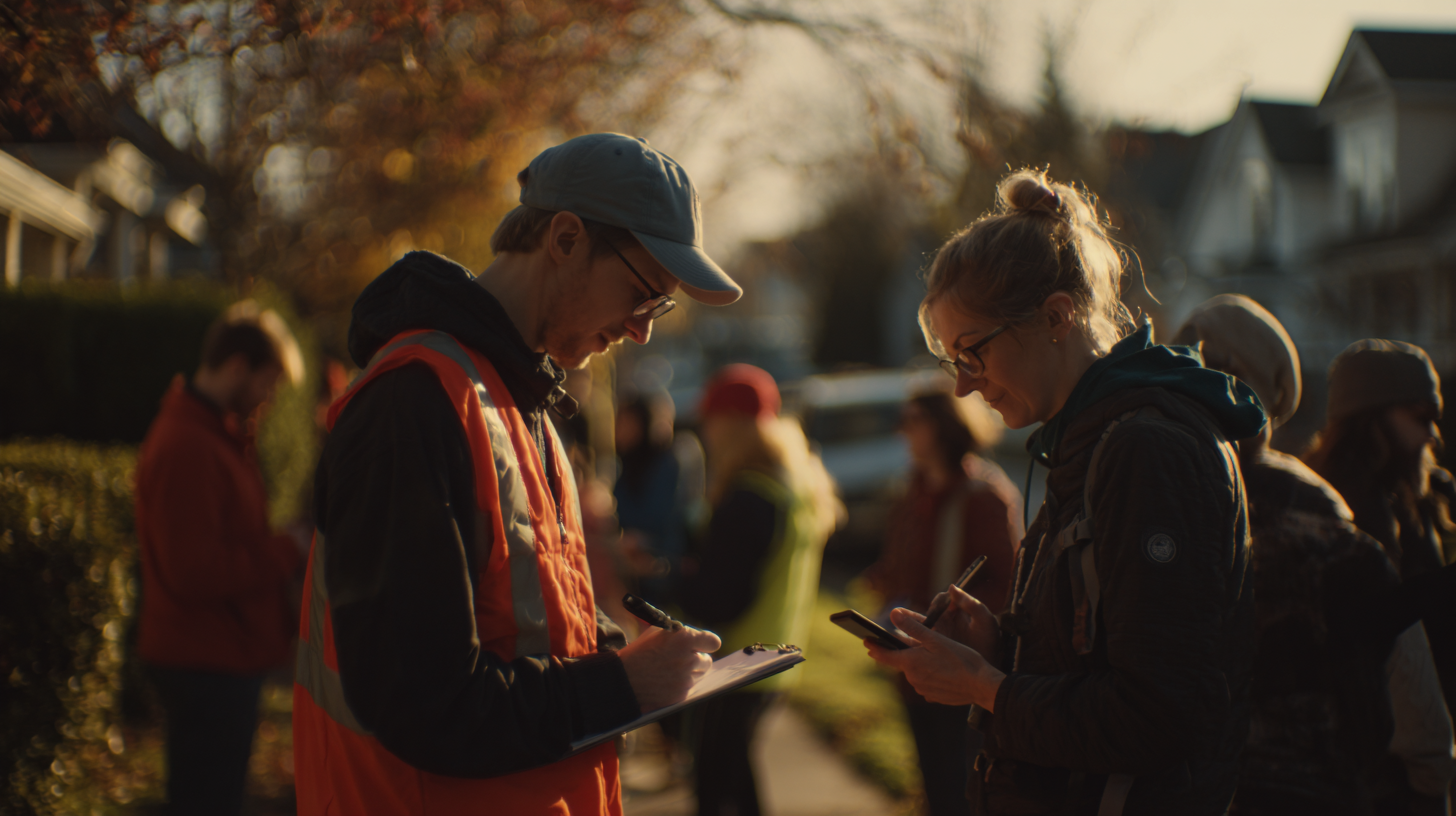
In the old model, they spend the morning printing and sorting walk lists, texting volunteers directions, and re‑entering data late into the night. If a key precinct is underperforming by midday, they don’t find out until the next morning—when it is too late to redirect.[4][5][6][3]
With a modern field ops platform, the same organizer cuts turf in minutes, assigns routes to volunteers’ phones, and watches a live map update as doors are knocked and surveys logged. If one script falls flat or a block proves tougher than expected, they can pivot at noon instead of after the election, updating universes and messaging across the team instantly.[1][3][4]
What a True Field Operating System Must Do
Great field ops software is not just a nicer database; it is your field operating system. At minimum, it should let you:
- See every supporter, voter, and volunteer in a unified record, updated in real time from canvassing, phone, text, and events.[9][4]
- Turn strategy into assignments: cut turf, generate routes, and send them directly to mobile apps without extra spreadsheets.[5][4]
- Capture every conversation—at the door, over the phone, or via relational outreach—with structured tags that feed reporting and future targeting.[10][3]
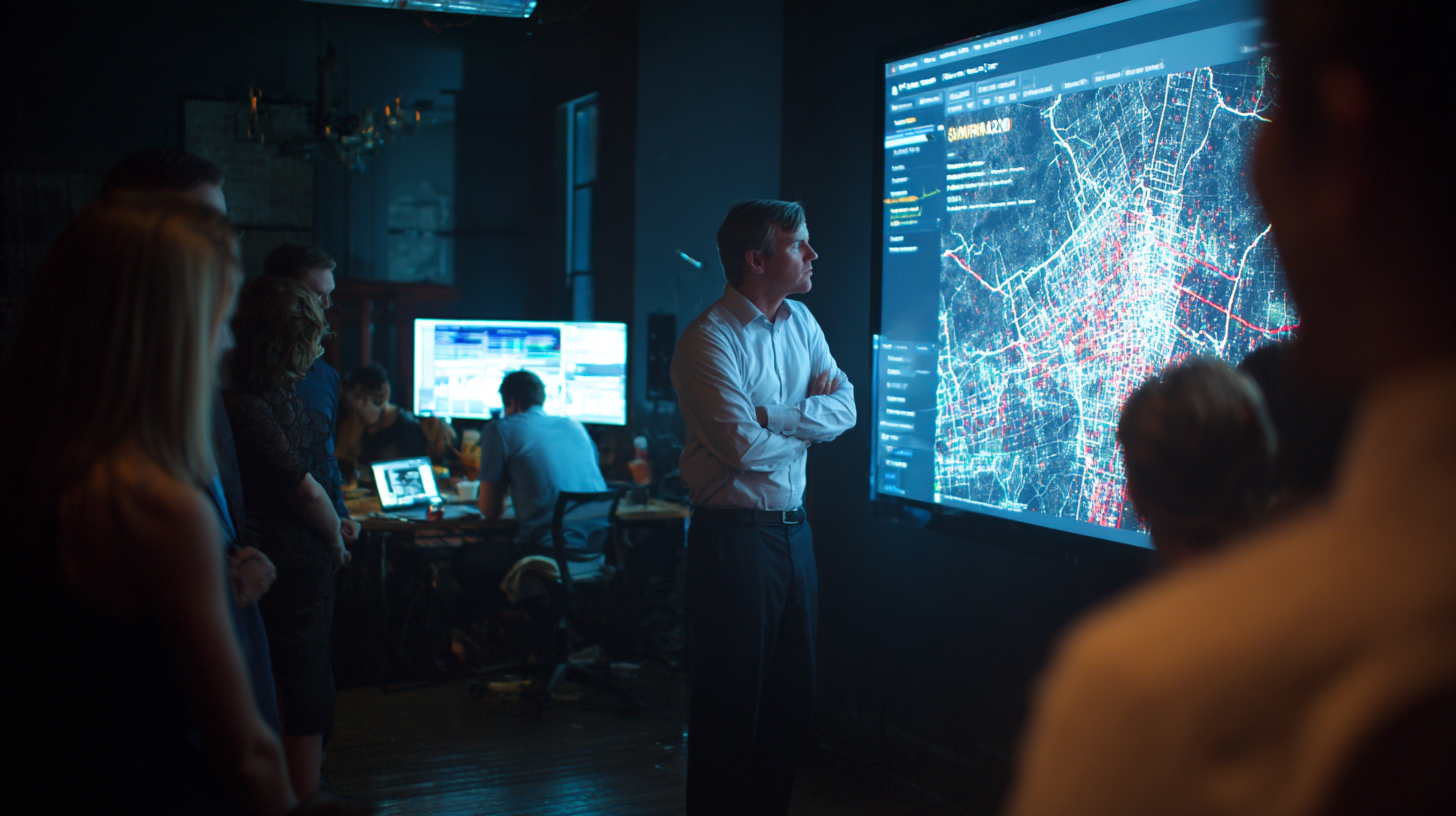
When those basics are in place, field stops being a series of disconnected shifts and becomes a continuous feedback loop between the doors and the strategy table. Real‑time dashboards can show turnout risk by precinct, contact rates by script, and volunteer reliability by team, letting you move resources toward what is actually working while there is still time.[3][4][9][1]

Case Study 1: From Paper Chaos to a Digital Command Center
A European political organization using paper walk lists and basic spreadsheets replaced its patchwork system with a canvassing platform that became its “campaign command center.” Organizers suddenly had one dashboard showing every survey collected, every new contact, and which volunteers had completed their routes in three different cities.[11][5][3]
The shift was not just technical. Volunteers logged over 8,000 surveys and 4,000 new email/phone contacts every month, with no delay between the doorstep and headquarters. If someone finished early, they grabbed a new turf in the app instead of going home, ensuring no key area went untouched on big days like Election Day. One campaign adopting this model reported winning 39.3% of the vote in a five‑candidate primary, more than double the next‑closest challenger’s 19.1%—a margin made possible in part by knowing, in real time, where support was strong and where persuasion was still needed.[12][5][11][3]
Case Study 2: Advocacy Organizations Scaling Real‑Time Listening
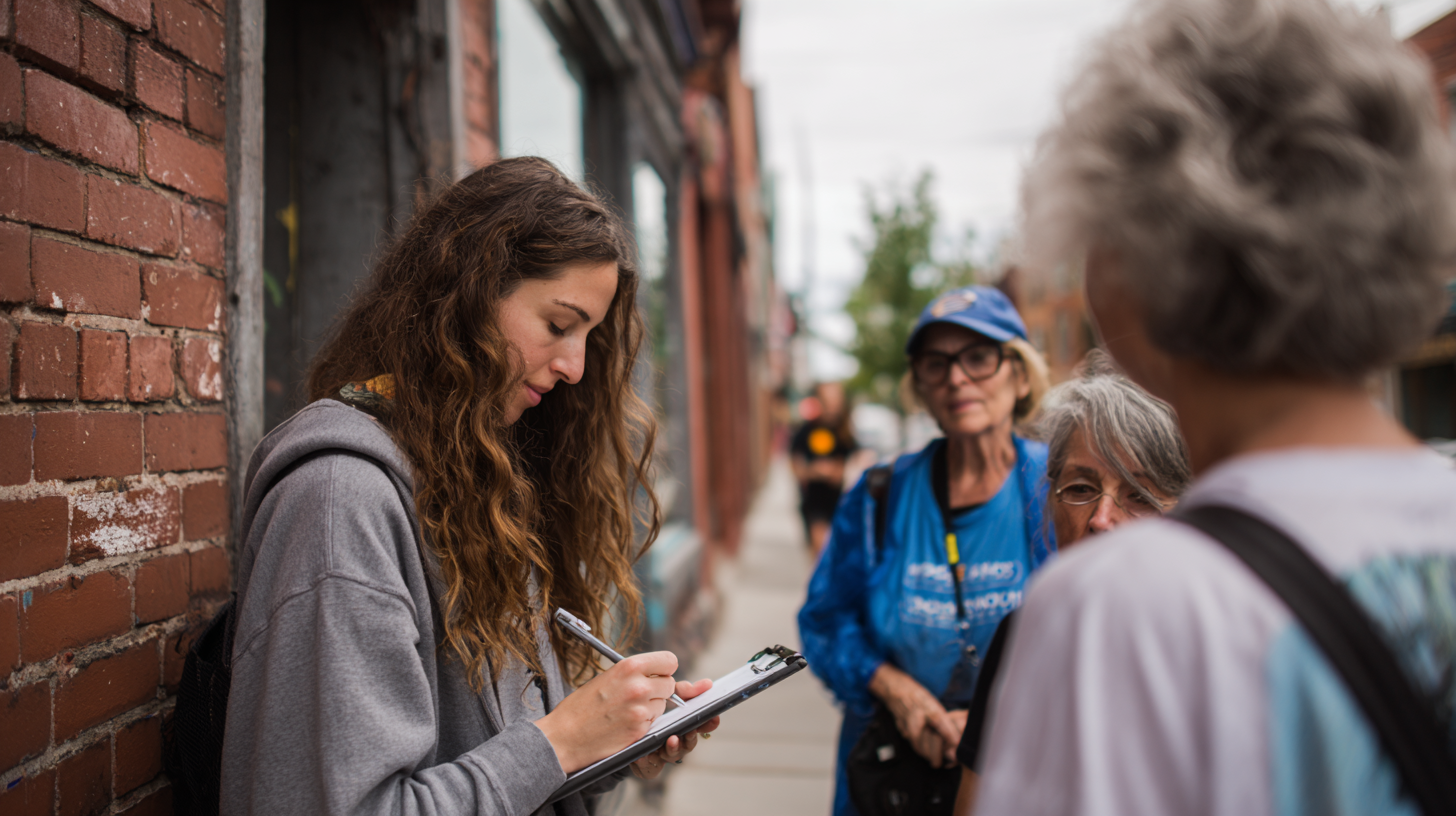
Advocacy groups and nonprofits face similar constraints: they need to listen at doors, respond quickly, and show funders real impact. A canvassing platform used by organizations like UNICEF and Oxfam demonstrates how integrated field ops software changes that equation. Volunteers in more than 60 countries log household needs, program awareness, and follow‑up requests directly into a mobile app, which syncs to a shared dashboard.[8][3]
In one example, an advocacy organization used the tool to map local interest and follow up systematically after outreach. Teams coordinated across neighborhoods, tracked which households needed second or third visits, and targeted future door‑to‑door work based on where responses showed the greatest need. Instead of measuring success by “doors knocked,” they reported clear improvements in coordination, more targeted outreach, and better listening that directly informed program decisions.[12][8][3]
Case Study 3: Making Relational Organizing Visible and Repeatable
Relational outreach—people contacting their own friends and networks—can dramatically outperform cold contact, but only if those conversations are captured and used. A 2025 field test found that voters contacted through personal relationships were 8.6 percentage points more likely to vote than those in the control group, while generic peer‑to‑peer texting had no measurable positive effect.[13][10]
When relational outreach flows through your field ops platform, each personal connection becomes part of a measurable strategy rather than a feel‑good side effort. Organizers can see which volunteers are driving turnout, where relational networks are strongest, and how those networks intersect with door‑knocking and phone canvassing. That allows you to prioritize high‑leverage volunteers, support them with better tools and scripts, and design future programs around the relational patterns your data reveals.[14][15][16][10]
Running Field as a Continuous Feedback Loop
With unified field ops software, field becomes an integrated system rather than parallel efforts by separate teams. Digital engagement, phone banks, and in‑person canvassing all pour into the same data spine instead of living in disconnected tools and spreadsheets. Research on integrated organizing shows that combining digital tools with traditional face‑to‑face organizing allows campaigns to reach more people while still relying on the most effective tactic: personal, two‑way conversations.[17][1][3]
Field leadership can monitor a handful of crucial indicators in real time:
- Turnout risk by precinct or turf, updated as conversations happen.[4][9]
- Contact and conversion rates by script, channel, or volunteer team.[18][3]
- Volunteer engagement and reliability, including who consistently completes routes and logs data.[3][12]
Instead of guessing whether a GOTV text campaign helped or hurt turnout—some experiments show certain messages can actually depress voting—teams can see how different messages perform when integrated with a broader field plan. Over multiple cycles, that feedback loop becomes an asset: each campaign leaves behind a structured record of what moved people, not just a pile of exported CSVs.[7][19][6][13]
Is Your Field Ops Stack Holding You Back? A Quick Diagnostic
To understand whether your current tools are enabling or constraining your ground game, run this simple test. If the honest answer to three or more questions is “no,” your field ops software is likely a bottleneck, not a backbone.[20][21]
- In under 60 seconds, can you see everyone contacted in the last 7 days in a single precinct, including how they were contacted and what was said?[9][4]
- Can volunteers in any turf receive updated scripts or universes on their phones within minutes, without reprinting anything?[5][4]
- Do you have one system that shows both digital and in‑person touchpoints for the same person, without manual spreadsheet merges?[1][3]
- When a volunteer finishes a route early, can they immediately pick up a new, optimized turf on their device instead of waiting for staff?[18][3]
- Can leadership pull, on demand, a clean report of contacts, issues, and commitments that they actually trust for making budget and targeting decisions?[6][4]
If your answer is “no” to most of these, the limitation is not your team’s effort—it is your infrastructure.[22][1]
A Practical Migration Path: Pilot, Prove, Then Scale
The most common objection to upgrading field ops is timing: “We’re mid‑cycle; we can’t blow everything up.” The answer is to treat modernization as a controlled pilot, not a rip‑and‑replace.[20][3]
A simple three‑step path looks like this:
- Week 1: Choose a pilot turf or program. Pick one region, staging location, or advocacy campaign where you can run new software in parallel with your existing tools.[12][3]
- Weeks 2–3: Run side‑by‑side operations. Train a subset of volunteers on the new app, sync their contacts into a central dashboard, and compare metrics: contact rates, data completeness, follow‑up speed, and volunteer satisfaction.[18][3]
- Week 4 and beyond: Roll out and retire. Once the pilot shows clear gains—cleaner data, faster reporting, and more effective shifts—expand to additional turfs, bake app training into every new volunteer orientation, and begin deprecating redundant tools.[21][3]
The real risk is not that a modern field ops platform will disrupt your program. It is that another cycle will end with your most powerful lever—face‑to‑face contact—constrained by avoidable operational friction instead of used at full strength.[2][7]
One Concrete Next Step
If you want to know whether your current setup can win a close race or drive a serious advocacy push, schedule a focused field ops diagnostic. In 30 minutes, a small team can map your existing tools, walk through the diagnostic questions above, and outline a pilot plan tailored to one race, one city, or one program. With research showing that integrated digital and traditional organizing can expand reach and deepen engagement, the question is no longer whether to modernize field ops—but whether to do it in time to matter this cycle.[14][20][1][18]
Midjourney prompt (CTA image): “documentary style photograph, campaign leadership team on a video call reviewing a shared screen with a field operations audit checklist, warm office lighting, realistic photography” Alt tag: Campaign leadership reviewing a field ops diagnostic checklist on a video call [23][24][25][26][27][28][29][30][31]
References
- https://studentreview.hks.harvard.edu/political-organizing-in-the-digital-age-why-campaigns-need-to-integrate-traditional-and-digital-organizing/ ↩ ↩2 ↩3 ↩4 ↩5 ↩6 ↩7
- https://isps.yale.edu/research/field-experiments-initiative/lessons-from-gotv-experiments ↩ ↩2 ↩3
- https://qomon.com/blog/canvassing-app-transforming-purpose-driven-outreach ↩ ↩2 ↩3 ↩4 ↩5 ↩6 ↩7 ↩8 ↩9 ↩10 ↩11 ↩12 ↩13 ↩14 ↩15 ↩16 ↩17 ↩18 ↩19 ↩20
- https://www.ecanvasser.com/use-case/political-campaigns ↩ ↩2 ↩3 ↩4 ↩5 ↩6 ↩7 ↩8 ↩9 ↩10 ↩11 ↩12
- https://www.ecanvasser.com/use-case/political-organizations ↩ ↩2 ↩3 ↩4 ↩5 ↩6 ↩7
- https://www.hks.harvard.edu/sites/default/files/degree programs/MPP/files/Scaling the Field Organization in Modern Political Campaigns_Final.pdf ↩ ↩2 ↩3 ↩4
- https://scholar.harvard.edu/files/renos/files/enosfowler_aggregategotv.pdf ↩ ↩2 ↩3
- https://fundforsharedinsight.org/case-study/listening-door-to-door-the-case-for-canvassing/ ↩ ↩2 ↩3
- https://www.ngpvan.com/solutions/political-organizing/ ↩ ↩2 ↩3 ↩4
- https://www.campaigninnovation.org/research/measuring-the-power-of-personal-connection-a-relational-organizing-field-test ↩ ↩2 ↩3
- https://www.ecanvasser.com ↩ ↩2
- https://blog.nonprofittechshop.com/how-canvassing-software-is-transforming-advocacy-in-the-digital-age ↩ ↩2 ↩3 ↩4
- https://sisterdistrict.com/research/do-gotv-texts-motivate-voters/ ↩ ↩2
- https://www.coloradotrust.org/wp-content/uploads/2022/06/Digital-Organizing-Strategies-vF.pdf ↩ ↩2
- https://scholarworks.brandeis.edu/view/pdfCoverPage?instCode=01BRAND_INST\&filePid=13469625540001921\&download=true ↩
- https://callhub.io/blog/canvassing/phone-canvassing/ ↩
- https://sk.sagepub.com/hnbk/edvol/the-sage-handbook-of-digital-society/chpt/23-political-communication-the-digital-age ↩
- https://buildops.com/resources/field-service-management/ ↩ ↩2 ↩3 ↩4
- https://campaignlab.uk/project/blog-the-truth-about-voter-turnout-what-can-we-actually-learn-from-over-100-voter-turnout-experiments/ ↩
- https://www.fieldax.com/blog/field-service-software-implementation-best-practices-for-success/ ↩ ↩2 ↩3
- https://www.ebitools.com/en/work-order/best-practices-for-field-service-management-a-comprehensive-guide ↩ ↩2
- https://www.agora-parl.org/sites/default/files/agora-documents/Political-Parties-Toolkit_Guide-for-Digitizing-Party-Operations.pdf ↩
- https://www.tectonica.co/posts/organizing_ai ↩
- https://ephemerajournal.org/sites/default/files/2022-01/19-3husted_0.pdf ↩
- https://www.4media-group.com/blog/communications/2024-election-cycle-strategies-integrating-traditional-media-digital-outreach/ ↩
- https://www.tandfonline.com/doi/full/10.1080/01442872.2024.2384145 ↩
- https://catalogue.usc.edu/preview_program.php?catoid=8\&poid=7576 ↩
- https://egap.org/resource/brief-22-getting-out-the-vote/ ↩
- https://www.impactive.io/case-studies/community-change ↩
- https://www.thecampaignworkshop.com/blog/political-organizing/political-organizing-1 ↩
- https://blog.nonprofittechshop.com/tcpaf-case-study?hsLang=en ↩